Posted on 8/28/2026

A brake pedal that slowly moves toward the floor while steady pressure is applied indicates that hydraulic pressure is not being maintained correctly. The braking system should hold the pedal at a consistent height once the brakes are applied. Continued movement means brake fluid is escaping past a seal, leaking from the system, or being affected by a fault in another hydraulic component. This condition should be taken seriously. Even when the vehicle still stops, braking performance can change without warning. The cause must be identified through careful testing before the vehicle returns to normal driving. How Hydraulic Brake Pressure Should Work Pressing the brake pedal moves a piston inside the master cylinder. That movement forces brake fluid through the brake lines and hoses to the calipers or wheel cylinders. Because brake fluid does not compress under normal operating conditions, pedal force is transferred directly to the brakes at each wheel. O ... read more
Posted on 7/31/2026
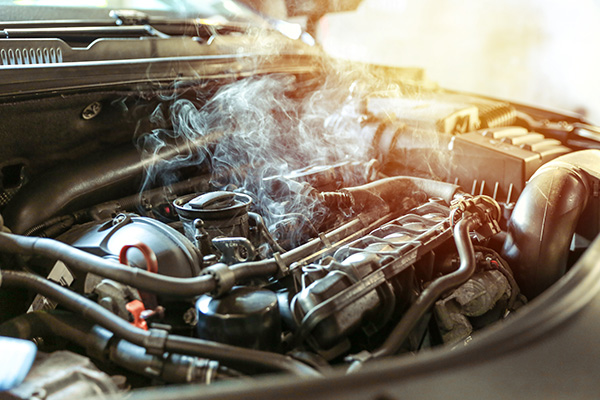
Coolant and exhaust should stay completely separate. Coolant belongs inside the cooling system, moving through the engine, radiator, hoses, and heater core to control temperature. Exhaust gases are produced in the combustion chamber and flow through the exhaust system, leaving through the tailpipe. When those two paths start mixing, overheating can happen quickly. Exhaust gases entering the coolant can increase pressure, create bubbles, push coolant out, and cause the cooling system to lose its ability to control heat. It is one of the more serious cooling system problems because it can point toward an internal engine sealing issue. How Exhaust Gases Can Enter The Cooling System Inside the engine, combustion creates high pressure. The head gasket helps seal that pressure inside the cylinders while keeping coolant, oil, and compression in their own areas. If the head gasket fails, combustion pressure can leak into a coolant passage. A cracked cylinder head, warped h ... read more
Posted on 6/26/2026
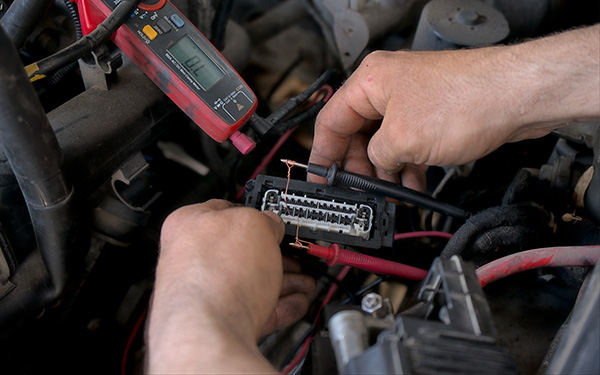
Random electrical problems in a modern vehicle can feel like the car has a mind of its own. A warning light appears, then disappears. The screen restarts. The locks act strangely. The car starts fine one day, then hesitates the next morning with no clear reason. That kind of behavior is frustrating because modern electrical systems are tied into almost everything. The battery, alternator, body control module, sensors, wiring, switches, fuses, relays, and computers all share information. When one part of that network becomes weak or unstable, the symptoms can appear scattered rather than simple. Weak Battery Power Can Confuse The Whole Vehicle Modern vehicles are very sensitive to voltage. A battery does not have to be completely dead to create problems. If it is weak, aging, poorly charged, or struggling under load, the car’s computers can start seeing voltage that is too low or unstable. That can lead to warning lights, screen glitches, slow cran ... read more
Posted on 5/29/2026
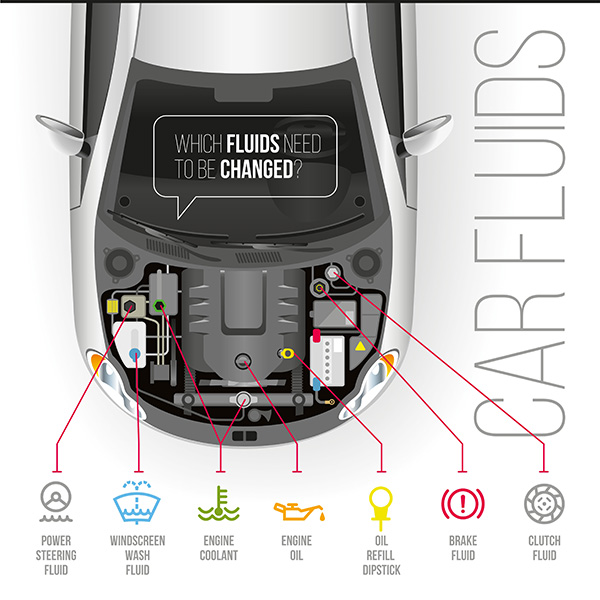
Fluids are easy to forget about until something goes wrong. The car still runs, shifts, and stops, so it feels like everything is fine. Under the surface, though, these fluids are constantly doing work to keep systems operating as they should. When fluid levels drop or the fluid itself breaks down, performance starts to change. Knowing what each fluid does and how to check it helps you stay ahead of problems before they become expensive repairs. 1. Engine Oil Keeps Internal Parts Protected Engine oil lubricates moving parts and reduces friction within the engine. It also helps carry heat away and keeps contaminants from building up in critical areas. Checking engine oil is straightforward. With the engine off, locate the dipstick, remove it, wipe it clean, and reinsert it. Pull it out again to check the level and condition. Oil should be within the marked range and not appear excessively dark or gritty. Keeping it in good condition is a key part of regular maintena ... read more
Posted on 4/30/2026
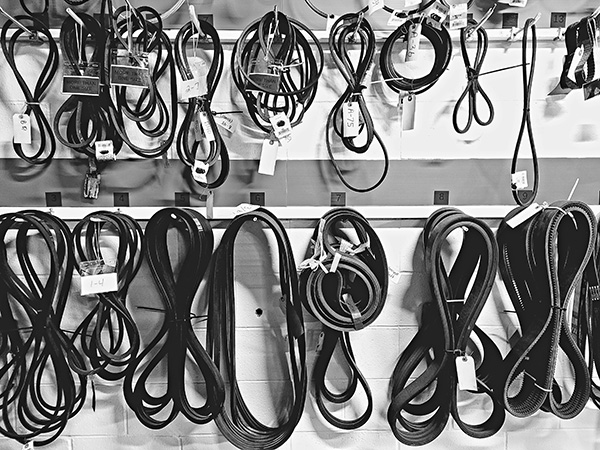
A timing chain does not get the same attention as a timing belt, and that is part of the problem. A lot of drivers assume the chain is built for the life of the engine and never needs real thought. In some cars, it lasts a very long time. In others, stretch, guide wear, and tensioner trouble start showing up much sooner than people expect. Once that wear begins, waiting is where the risk goes up. Why Timing Chain Problems Get Missed A timing chain sits out of sight, so most owners do not think about it until the engine starts acting differently. Unlike brake pads or tires, there is no easy visual reminder that service is coming. The engine may still start and run, which makes it easy to treat the early signs like small annoyances instead of warnings tied to internal engine timing. That is what makes timing chain problems so tricky. The first signs can seem mild right up until the repair is no longer mild at all. Noise During Cold St ... read more