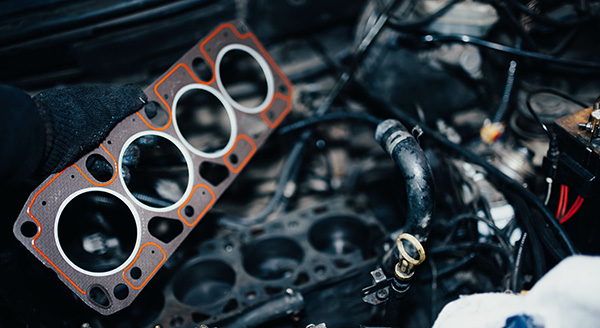
The head gasket is basically the seal between the engine block and the cylinder head. It has a tough job because it has to keep combustion pressure sealed in while also keeping oil and coolant in their proper passages. When it fails, the symptoms can range from mild to dramatic.
Most head gasket failures are not random. They usually trace back to heat, pressure, or a mechanical condition that slowly weakened the seal until it gave up.
Head Gasket Failure Causes
A head gasket can fail for several reasons, but overheating is at the top of the list. Extreme heat can warp the cylinder head slightly, and even a small warp can weaken the sealing surface. Once the seal is compromised, gases and fluids can start crossing paths.
The second common theme is pressure. Combustion pressure is intense, and if detonation or abnormal combustion is happening, it can stress the gasket harder than it was designed to handle. Over time, that can contribute to a weak spot that turns into a leak.
Overheating And Cooling System Problems
Most engines that lose a head gasket have a cooling system story behind them. A low coolant level, a failing radiator fan, a stuck thermostat, a weak water pump, or a small leak that kept getting topped off can all lead to overheating episodes. Sometimes the driver only notices the temperature climb once, but the engine may have been running hotter than normal for weeks.
Heat can also cause the head gasket to fail gradually. You might see coolant loss with no puddle, or the temperature may creep up in traffic and recover on the highway. That pattern often points to a cooling system issue that has started stressing the gasket.
Regular maintenance helps here because coolant condition, fan operation, and hose health are easier to manage before an overheat event happens.
Warped Head Or Block Surfaces
When an engine overheats, metal expands. If the temperature spike is severe, the cylinder head can warp, and the gasket can no longer seal evenly. Even if the engine cools back down and seems fine for a while, the sealing surface may already be compromised.
Warping is one reason why head gasket repairs are not always simple. The sealing surfaces may need to be checked and machined flat. If that step is skipped when it is needed, the new gasket may not last.
Detonation And Abnormal Combustion
Detonation is uncontrolled combustion that creates sharp pressure spikes. It can be caused by low-quality fuel, carbon buildup, incorrect ignition timing, or certain overheating conditions. Those pressure spikes can stress the head gasket and push gases into the cooling system.
Drivers might notice pinging under load, reduced power, or a check engine light. Over time, detonation can damage more than the head gasket, but the gasket is often one of the first seals to give.
This is also why a persistent knock or ping should not be ignored.
Improper Torque Or Past Repair Issues
Head gaskets can fail after repair work if bolts were not torqued correctly, the surfaces were not prepared properly, or the wrong gasket type was used. Some engines are especially sensitive to bolt stretch and torque procedures, so following the correct sequence matters.
In other cases, the engine may have been overheated in the past, repaired, and then run again without fully addressing the underlying cooling system issue. That can lead to repeat failure, even if the gasket replacement was done carefully.
A good inspection includes confirming the original cause, not just replacing the gasket.
Early Signs A Head Gasket Is Weakening
Some signs are obvious, like overheating and white exhaust smoke. Others are more subtle, like coolant loss with no visible leak, bubbles in the coolant reservoir, or a heater that changes behavior unexpectedly. Oil can also become contaminated, though it depends on where the gasket fails.
These warning signs tend to show up as patterns:
- Coolant level dropping repeatedly without a clear puddle
- Temperature creeping up in traffic and improving on the highway
- Sweet smell from the exhaust or persistent steam-like vapor
- Bubbles or pressure building quickly in the cooling system
- Rough starts that clear after a short warm-up
If you see a combination of these, it is smart to have it checked sooner.
How To Reduce Head Gasket Risk
The simplest prevention is keeping the cooling system healthy. Maintain the correct coolant level, address small leaks early, and do not ignore fan or temperature changes. Avoid driving an overheating vehicle, even for a short distance, because the damage can stack up quickly.
Staying on top of regular maintenance also helps reduce detonation risk. Clean air intake components, proper fuel, and keeping the engine from running hot all support gasket life. If you hear persistent pinging under load, it is worth checking before it becomes a bigger issue.
Get Head Gasket Repair in Cullman, AL with Guthrie's Auto Service
At Guthrie's Auto Service, we can perform an inspection to confirm whether the head gasket is failing, identify what likely caused it, and explain the repair options based on your engine’s condition. We’ll also check the cooling system so you don't fix the gasket while leaving the root cause behind.
Schedule an inspection with Guthrie's Auto Service today.
We’re here to help you protect your engine and avoid repeat problems.