Random electrical problems in a modern vehicle can feel like the car has a mind of its own. A warning light appears, then disappears. The screen restarts. The locks act strangely. The car starts fine one day, then hesitates the next morning with no clear reason.
That kind of behavior is frustrating because modern electrical systems are tied into almost everything. The battery, alternator, body control module, sensors, wiring, switches, fuses, relays, and computers all share information. When one part of that network becomes weak or unstable, the symptoms can appear scattered rather than simple.
Weak Battery Power Can Confuse The Whole Vehicle
Modern vehicles are very sensitive to voltage. A battery does not have to be completely dead to create problems. If it is weak, aging, poorly charged, or struggling under load, the car’s computers can start seeing voltage that is too low or unstable.
That can lead to warning lights, screen glitches, slow cranking, power issues with accessories, and odd dashboard messages. A driver might think several systems are failing at once when the real issue starts with low or unstable power. Battery testing is one of the first steps because clean voltage gives the rest of the system a fair chance to work correctly.
Charging System Trouble Can Look Random
The alternator keeps the battery charged and powers the vehicle while the engine is running. If the alternator output drops, the belt slips, or a cable connection is poor, the vehicle may act normal for a while and then misbehave when electrical demand rises.
You might notice dim lights when the blower is on, flickering gauges at idle, or a battery warning light that comes and goes. Some vehicles start shutting down comfort features to save power. Others keep driving until the battery reserve is gone. A charging system problem can turn random electrical symptoms into a car that will not start or stay running.
Bad Grounds Create Strange Cross-System Problems
Ground connections are easy to overlook because they are not as obvious as a dead battery or blown fuse. Still, a bad ground can cause some of the strangest electrical behavior on a vehicle. Lights can flicker, sensors can misread, modules can lose communication, and accessories can work only intermittently.
Ground problems can change with heat, moisture, vibration, or engine movement. That is why the car might act normal in the parking lot, then show problems during a drive. Finding a weak ground takes careful testing, not just a quick look at the battery terminals.
Module Communication Can Break Down
Modern vehicles use several computers, or modules, that constantly communicate with each other. The engine control module, transmission module, body control module, ABS module, climate control, security system, and infotainment system all share data. If one module loses communication or sends bad information, symptoms can show up in places that do not seem connected.
For example, a network issue can trigger warning lights, disable certain features, or cause a no-start condition. The broken part is not always the system showing the symptom. That is why a trouble code is only a starting point. The testing has to follow the communication path and confirm where the failure actually begins.
Moisture And Corrosion Can Trigger Intermittent Faults
Electrical parts do not like moisture. Rain, humidity, car washes, clogged drains, worn seals, and road splash can all let water reach connectors or wiring. Once corrosion starts, the contact between terminals becomes weaker and less predictable.
The symptoms might appear after wet weather and fade when the vehicle dries out. That pattern is important. A driver who notices the issue after rain, after washing the car, or after parking outside overnight is giving the technician useful information. Regular maintenance can also catch early corrosion, damaged covers, and weak seals before they create repeat electrical issues.
Aftermarket Accessories Can Add New Problems
Remote starts, audio systems, light bars, dash cameras, alarm systems, and phone chargers can all cause electrical trouble if installed poorly or draw power when they should not. Even a small parasitic draw can drain the battery while the vehicle is parked.
The hard part is that an accessory problem does not always point back to the accessory right away. It can look like a weak battery, a charging issue, or a random no-start. If electrical problems started after an accessory was added, that detail should always be mentioned during an inspection.
Why Random Electrical Issues Need Careful Testing
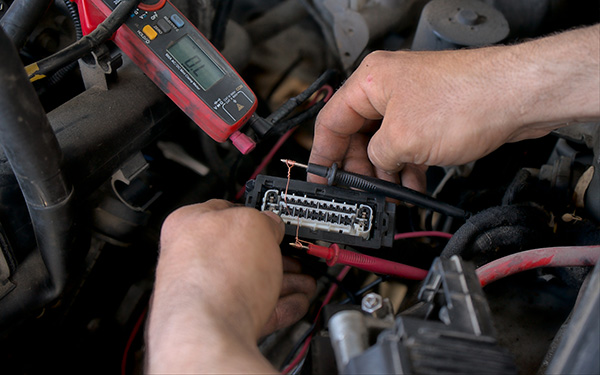
Random electrical problems are not the best place to replace parts based on a hunch. The right process checks battery health, charging output, grounds, fuses, relays, wiring, stored codes, live data, and communication between modules. It also helps to know when the issue happens, what was being used, and whether weather or temperature seems connected.
A modern electrical system can be repaired correctly, but the testing has to be patient and organized. That is how a shop separates a weak battery from a bad ground, a failing module, a damaged connector, or an accessory that keeps pulling power after shutdown.
Get Electrical Diagnostics In Cullman, AL, With Guthrie's Auto Service
If your vehicle has random warning lights, no-start trouble, flickering screens, weak power, or electrical issues that come and go, Guthrie's Auto Service in Cullman, AL, can test the system and track down the cause.
For electrical diagnostics in Cullman, contact us to schedule an appointment.