Posted on 4/30/2026

A timing chain does not get the same attention as a timing belt, and that is part of the problem. A lot of drivers assume the chain is built for the life of the engine and never needs real thought. In some cars, it lasts a very long time. In others, stretch, guide wear, and tensioner trouble start showing up much sooner than people expect. Once that wear begins, waiting is where the risk goes up. Why Timing Chain Problems Get Missed A timing chain sits out of sight, so most owners do not think about it until the engine starts acting differently. Unlike brake pads or tires, there is no easy visual reminder that service is coming. The engine may still start and run, which makes it easy to treat the early signs like small annoyances instead of warnings tied to internal engine timing. That is what makes timing chain problems so tricky. The first signs can seem mild right up until the repair is no longer mild at all. Noise During Cold St ... read more
Posted on 3/27/2026
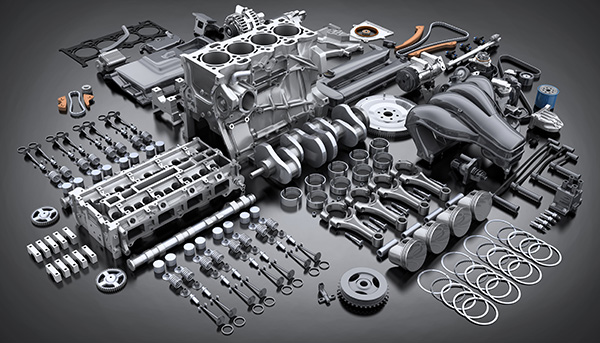
Choosing parts should be the easy part of a repair, yet it often turns into the most confusing decision. Prices vary wildly, brands look similar, and online advice can point in opposite directions. The truth is that the right part depends on what failed, how the vehicle is used, and how long you plan to keep it. A few simple questions can steer you toward the smart option. Match Parts To The Repair Goal Start by defining what you need the repair to accomplish. If you’re fixing a car you plan to keep for years, longevity and fit tend to matter more than shaving a few dollars off the receipt. If you’re trying to stabilize a vehicle to sell soon, you might choose a different tier as long as the repair is still safe and correct. Next, consider how the vehicle is driven. Stop-and-go commuting, heavy hauling, and extreme heat can be harder on components than steady highway miles. A part that’s fine for light use may struggle in tougher condi ... read more
Posted on 2/27/2026
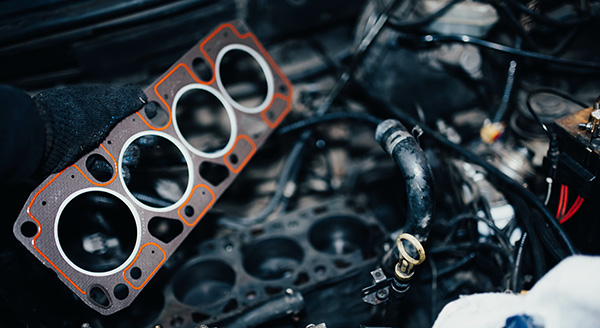
The head gasket is basically the seal between the engine block and the cylinder head. It has a tough job because it has to keep combustion pressure sealed in while also keeping oil and coolant in their proper passages. When it fails, the symptoms can range from mild to dramatic. Most head gasket failures are not random. They usually trace back to heat, pressure, or a mechanical condition that slowly weakened the seal until it gave up. Head Gasket Failure Causes A head gasket can fail for several reasons, but overheating is at the top of the list. Extreme heat can warp the cylinder head slightly, and even a small warp can weaken the sealing surface. Once the seal is compromised, gases and fluids can start crossing paths. The second common theme is pressure. Combustion pressure is intense, and if detonation or abnormal combustion is happening, it can stress the gasket harder than it was designed to handle. Over time, that can contribute to a weak spot that turns into ... read more
Posted on 1/30/2026
A check engine light can come on when the car feels totally normal, which is exactly why people put it off. You run errands, it drives fine, and you tell yourself you’ll deal with it later. The problem is that the light is not a suggestion that something might happen someday. It’s the computer raising its hand because it saw data that didn’t make sense for long enough to save a fault. What The Check Engine Light Is Actually Telling You Your engine computer is always watching sensors and comparing what it sees to what it expects. When a reading is outside the normal range, or a system isn’t responding correctly, it stores a code and turns the light on. That code is a clue about the system and the condition, not a guaranteed bad part. It’s also worth separating a steady light from a flashing light. A steady light can cover a wide range of issues, some minor and some not. A flashing light often points to an active misfire, and that can hea ... read more
Posted on 12/19/2025

Toyota Camrys have a reputation for running seemingly forever. You see them with faded paint, sun-worn interiors, and odometers that have wrapped past 200,000 miles, yet they still start every morning and drive to work without complaint. That kind of life span does not come from luck alone. It is a mix of solid engineering and owners who stay on top of the basics before small problems snowball. Why So Many Camrys Seem To Last Forever The Camry formula leans on simplicity and consistency. The engines are usually naturally aspirated, the transmissions are built with durability in mind, and the car is tuned for comfort rather than maximum performance. That means fewer extreme stresses on internal parts day to day. Toyota also tends to re-use proven designs for many years with gradual improvements instead of chasing wild redesigns. Once a particular engine and transmission combination proves itself, it often stays in production long enough for common issues ... read more